

The tentative contract agreement between Volkswagen and the UAW at the Chattanooga plant - the first between the UAW and a non–Detroit 3 OEM - is an important, but not transformational, win for UAW President Shawn Fain and the union. It modestly narrows labor cost gaps and imposes restrictions on management, strengthens UAW credibility with workers, and increases the probability of labor disruption in 2028. But it does not reset the pace of unionization either in the South or at foreign OEMs, nor does it meaningfully change governance models.
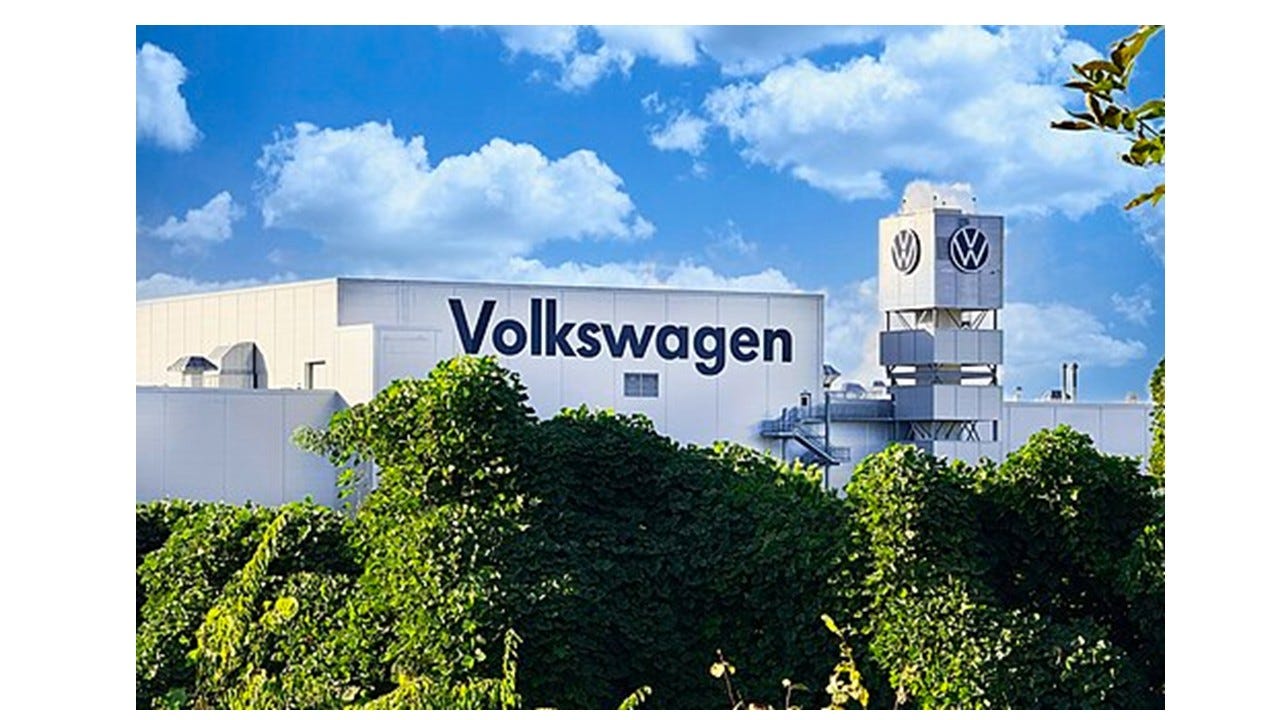
The agreement modestly narrows, but does not eliminate, the labor cost gap between VW Chattanooga and the Detroit 3.
Lengthy negotiations and tangible gains bolster UAW credibility with VW workers.
The contract follows standard UAW patterns; there is no Works Council–style governance or evidence of coordination with IG Metall.
Volkswagen’s refusal to align contract expiration with May 1, 2028 weakens UAW ambitions for coordinated national action.
Foreign-owned OEMs may raise wages preemptively; rapid unionization momentum remains unlikely.
I. What Changes
UAW credibility at foreign-owned plants. The agreement was hard-fought. After Volkswagen cut a shift in response to soft EV demand, the UAW filed an unfair labor practice charge, rejected a “best and final” offer, and secured strike authorization. The resulting deal includes stronger job protections, bonuses, and other gains beyond Volkswagen’s final offer. These outcomes strengthen the UAW’s standing with Chattanooga workers and validate Fain’s post-2023 organizing strategy.
Marginal labor cost convergence. The contract includes a roughly 20% wage increase, COLA, bonuses, and reduced healthcare costs. Still, top pay for VW workers will remain under $40/hour even in 2030, compared with $43/hour at the Detroit 3 by 2028, and VW workers will take longer than those at the Detroit 3 to reach that level. Bonuses lag recent Detroit 3 profit-sharing checks, and the all-in labor cost gap may remain around $20/hour. This narrows, but does not erase, the structural cost advantage of Volkswagen relative to the Detroit 3 and opens a gap between VW and other foreign OEMs.
II. What Doesn’t Change
Governance and decision rights. The agreement appears conventional, with standard language on work rules, grievances, outsourcing, and job security. These terms constrain management decision-making and help explain why foreign OEMs, like many other employers, resist unionization. However, there is no indication of union participation in operational decision-making akin to a Works Council. Nor is there evidence of coordination with IG Metall during bargaining; notably, the UAW did not publicly express solidarity when Volkswagen announced restructuring in Germany.
National coordination of labor action. The UAW sought to align the Volkswagen contract expiration with the Detroit 3 on May 1, 2028, a key element of Fain’s ambition for coordinated national action. Volkswagen refused, and the agreement now runs to 2030. Aside from limited signals from the SEIU, there is little evidence that a cross-union alignment strategy is taking hold.
III. Implications for unionization in the South
When the UAW won the Chattanooga vote, two strategic paths for further unionization gains emerged:
The “Dominoes Game”: building momentum plant by plant through successive organizing wins.
The “Contract Game”: using a strong Volkswagen agreement to persuade workers elsewhere that unionization delivers tangible gains.
The Dominoes strategy stalled after UAW losses at Mercedes plants in the South in the spring of 2024. Whether the UAW now invests heavily in the Contract Game remains unclear. The prolonged Volkswagen negotiations, a less union-friendly NLRB under the Trump Administration, and internal UAW distractions may limit appetite for an aggressive push. Fain may instead declare victory, focus on reelection, and conserve resources for 2028.
That said, the agreement will not go unnoticed. As after the 2023 Detroit 3 contracts, foreign automakers may choose to raise wages proactively to reduce union risk.
IV. The bottom line
The Volkswagen-UAW agreement represents a symbolic and political win for the UAW, but merely a limited structural shift for the industry. It modestly compresses labor cost differentials, clarifies the bounds of union influence at foreign-owned plants, and improves Shawn Fain’s chances of reelection. If Fain remains in office, executives should expect a renewed, and potentially disruptive, push at the Detroit 3 in 2028 - likely involving escalated strike tactics aimed at reversing long-standing retirement concessions. Planning for that risk should begin now.
Thank you for an incisive analysis as usual!